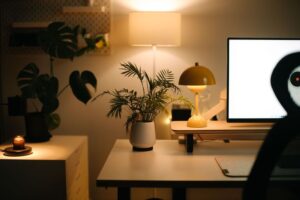
Tips for Creating a Relaxing Home Office Environment

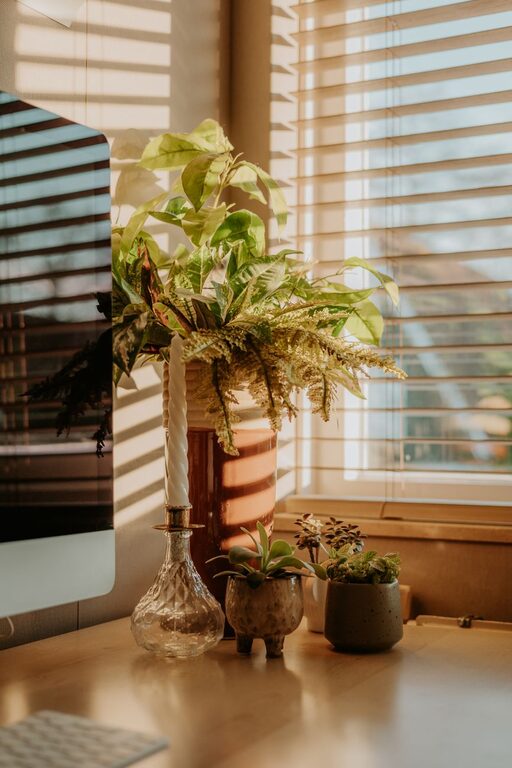
Creating a relaxing home office environment is essential for maintaining productivity, focus, and overall well-being while working from home. With more people spending their workdays at home, designing a space that combines comfort and functionality can greatly improve your daily routine. Whether you have a dedicated room or a small corner, these tips will help you build a workspace that feels inviting and helps you stay on track.
Choose the Right Location
Selecting the best spot for your home office is the first step. Ideally, pick a quiet area with minimal distractions. Natural light is a big plus, so consider setting up near a window to benefit from sunlight, which can boost mood and energy.
If space is limited, try to create a defined area using furniture or room dividers. This separation can help signal to your brain when it’s work time versus leisure time.
Invest in Comfortable Furniture
Your chair and desk play a significant role in comfort and long-term health. Choose an ergonomic chair that supports your back and encourages good posture. Adjustable desks, especially those that convert to standing desks, provide flexibility and can reduce fatigue.
Make sure your desk has enough surface area to keep essential items within easy reach, preventing clutter and promoting organization.
Use Soothing Colors and Decor
Colors influence our emotions and productivity. Soft, neutral tones like light blues, greens, or beiges create a calm atmosphere. Avoid overly bright or harsh colors that can be distracting or stressful.
Add personal touches such as artwork, plants, or inspirational quotes that make the space feel welcoming. Greenery, in particular, has been shown to improve mood and air quality.
Control Lighting Effectively
Proper lighting reduces eye strain and helps regulate your body’s natural rhythms. Combine natural light with adjustable artificial lighting. Desk lamps with warm light tones can create a cozy environment during cloudy days or evening work sessions.
Avoid glare on your computer screen by positioning lights strategically or using blinds and curtains when needed.
Organize and Declutter
A clean and organized workspace can lower stress and increase efficiency. Use storage solutions like shelves, drawers, and desk organizers to keep supplies neat.
Consider the essentials you need daily, and store less frequently used items out of sight. Regularly declutter to maintain a tidy area.
Incorporate Calming Sounds
Background noise can affect concentration and relaxation. Soft music, nature sounds, or white noise can help mask distracting household sounds or neighborhood noise.
Experiment to find what works best—some prefer complete silence, while others find gentle sounds soothing.
Establish a Routine and Boundaries
A relaxing home office also depends on how you use the space. Set clear work hours and create rituals that transition you into ‘work mode’, such as a morning stretch or a cup of tea before starting.
Communicate your schedule with family members or roommates to minimize interruptions.
Keep Technology in Check
Minimize distractions by organizing your devices and managing notifications. Use apps or settings that help block non-work-related alerts during focus time.
Ensure your equipment is up-to-date and functioning smoothly to avoid frustration.
Add a Touch of Wellness
Incorporate elements that promote well-being, like a small diffuser with calming scents such as lavender or eucalyptus. A few minutes of stretching or mindful breathing during breaks can refresh your mind.
Hydrate often by keeping a water bottle nearby.
—
Creating a relaxing home office is about balancing comfort, functionality, and personal style. By carefully selecting your location, furniture, colors, and keeping the space organized, you can build an environment that supports both productivity and relaxation. Tailor these tips to your preferences to find your perfect work-from-home sanctuary.