
Tips for Creating a Relaxing Home Environment to Boost Productivity and Well-Being

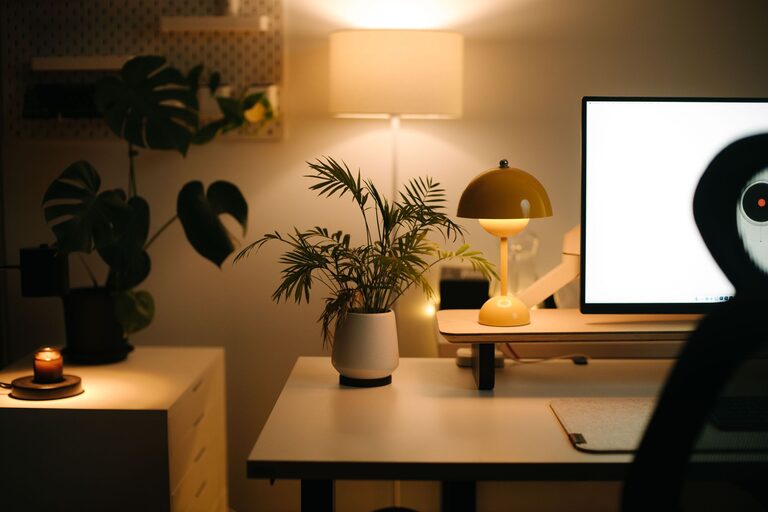
Creating a relaxing home environment can have a significant impact on your productivity and well-being. Whether you work from home, study, or simply want to enjoy a peaceful space for daily life, small changes can make a big difference. This guide shares practical tips to help you design a calming, efficient home that supports your focus and mental health.
Why a Relaxing Home Environment Matters
Your surroundings influence your mood, concentration, and energy levels. A cluttered or chaotic space can increase stress and reduce productivity. On the other hand, a tidy, calm, and thoughtfully arranged home can encourage focus, creativity, and relaxation. When you feel comfortable and centered in your environment, it’s easier to maintain a positive mindset and accomplish your tasks.
Step 1: Declutter and Organize Your Space
One of the quickest ways to create a relaxing home environment is to remove unnecessary clutter. Clutter can be distracting and overwhelming.
– Sort through your belongings and put away or donate items you no longer use.
– Use storage solutions like bins, shelves, and drawers to keep things tidy.
– Dedicate specific spots for commonly used items to avoid mess buildup.
– Regularly tidy up to maintain order and keep your space inviting.
A clean, organized space helps your mind feel clear and ready to focus.
Step 2: Choose Calming Colors and Decor
Colors can influence how you feel and work. Soft, neutral tones like beige, light blue, or gentle greens often create a tranquil atmosphere.
– Paint walls or add accents in calming colors.
– Incorporate natural elements like wood, plants, or stones.
– Use soft fabrics and textures to add warmth and comfort, such as cushions, throws, or area rugs.
– Personalize your space with meaningful art or photos that inspire or soothe you.
Limit bright, harsh colors and excessive decorations that may cause visual noise.
Step 3: Optimize Lighting
Good lighting is essential for productivity and comfort. Natural light is best because it boosts mood and alertness.
– Position your workspace near windows to maximize daylight.
– Use sheer curtains or blinds to reduce glare but still allow light in.
– Add adjustable task lighting for focused activities like reading or writing.
– Use warm LED bulbs or lamps to create a cozy environment in the evenings.
Avoid harsh overhead lighting that can cause eye strain and fatigue.
Step 4: Incorporate Nature and Fresh Air
Being close to nature has relaxing and restorative effects.
– Place potted plants or fresh flowers around your home or workspace.
– Open windows regularly to let in fresh air and improve ventilation.
– Use natural scents such as essential oils or candles with lavender, eucalyptus, or citrus to promote calmness.
– If you have outdoor space, spend some time outside during breaks.
Nature elements help reduce stress and refresh your mind.
Step 5: Create a Dedicated Zone for Work or Relaxation
Separating areas for work and relaxation helps your brain switch modes effectively.
– Set up a specific desk or corner for focused work or study.
– Choose ergonomic furniture that supports good posture and comfort.
– Keep relaxing areas inviting and separate by using different furniture or décor styles.
– Establish boundaries with family or housemates to minimize distractions.
This separation helps maintain balance and prevents work from overtaking your entire home.
Step 6: Use Sound to Your Advantage
Noise can either boost or harm productivity depending on the type and volume.
– Identify your preferred sound environment, whether total silence, nature sounds, or low background music.
– Use noise-cancelling headphones or white noise machines to block out distractions.
– Play calming music or ambient sounds during work to enhance focus.
– Keep noisy appliances or electronics away from your workspace.
A pleasant sound environment supports concentration and relaxation.
Step 7: Practice Mindfulness and Comfortable Habits
Your environment works best when combined with mindful habits.
– Take regular breaks to stretch, breathe deeply, or meditate.
– Maintain a comfortable temperature and allow yourself short movement pauses.
– Stay hydrated and keep healthy snacks nearby.
– Reflect periodically on what changes improve your comfort and focus, adjusting your space as needed.
Creating a space that nurtures both body and mind encourages lasting productivity and well-being.
Final Thoughts
Transforming your home into a relaxing and productive environment takes time and effort, but the rewards are substantial. By organizing your space, choosing soothing colors, optimizing light, adding natural elements, designating zones, managing sound, and practicing mindfulness, you create a home that supports your goals and enhances your quality of life. Start with small changes today and notice how your atmosphere positively shapes your daily routine.